Essential Auto Repair Services You Shouldn't Ignore to Extend Vehicle Longevity
Extending a vehicle's lifespan requires attention to several key auto repair services. Routine oil replacements, brake evaluations, and tire rotations play vital roles in ensuring peak performance and safety. Overlooking these critical services can lead to costly repairs and unexpected breakdowns. Appreciating the significance of these upkeep responsibilities is vital for all vehicle operators. The question remains: which additional services deserve attention to maximize the lifespan of your vehicle?
The Importance of Routine Oil Changes
Regular oil changes are essential for preserving a vehicle's performance and lifespan, as they assure that the engine functions properly. Motor oil coats moving components, minimizing friction and inhibiting wear. Over time, oil degrades, losing its effectiveness and accumulating contaminants that can harm engine components. Routine oil changes ensure that clean oil flows through the engine, delivering optimal lubrication and safeguarding.
Ignoring this responsibility professional advice can lead to harmful sludge deposits, lower fuel performance, and ultimately, significant repair costs. Manufacturers often recommend designated timeframes for oil changes, usually around every 3,000 to 5,000 miles, depending on the type of oil used and driving conditions. Sticking to these guidelines not only enhances engine performance but can also increase the vehicle's resale value. Moreover, regular oil changes can help identify potential issues ahead of time, making room for timely repairs. Overall, maintaining a consistent oil change schedule is a fundamental aspect of car maintenance that plays a major role to its lasting performance.
How Regular Brake Inspections Save You Money
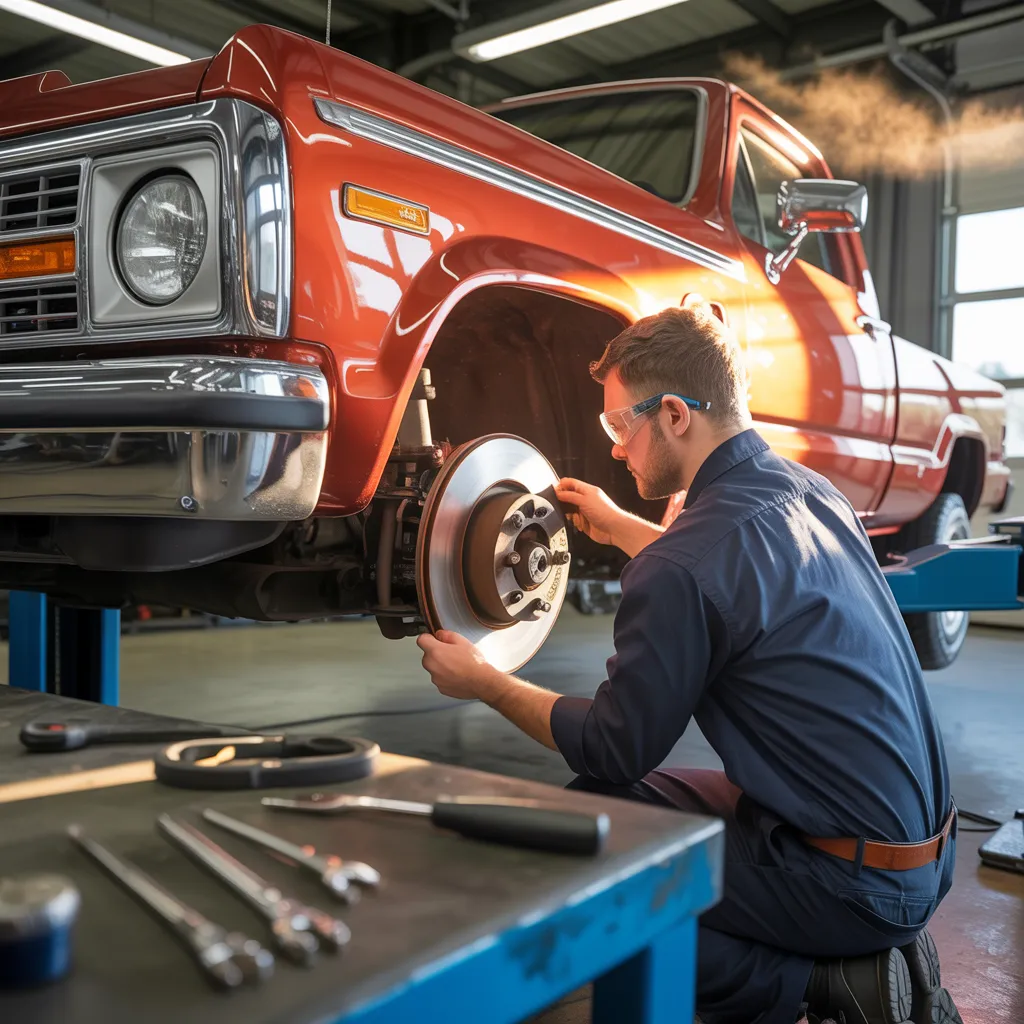
Regular brake inspections are highly effective at reducing future expenditures for car owners. By catching possible concerns ahead of time, these checks work to eliminate expensive fixes resulting from lack of maintenance. To illustrate, worn brake pads can lead to significant rotor damage, a repair that carries a much higher price tag. Regular evaluations ensure that braking parts are operating properly, thereby enhancing overall vehicle safety.
Additionally, keeping top brake functionality can increase fuel economy. When brakes are underperforming, the vehicle might demand more energy to perform, causing increased fuel consumption. Additionally, regular checkups can help avert accidents, which can lead to expensive insurance payouts and increased premiums.
Why Regular Tire Rotations Are Vital for Safety
Tire rotations play an essential role in maintaining vehicle safety and overall performance. Regularly rotating tires helps promote even wear, increasing their longevity and sustaining superior traction. Uneven tire wear can lead to reduced grip, most notably in harsh weather conditions, increasing the risk of accidents.
Furthermore, irregularly worn tires can compromise the handling and stability of a vehicle, making it harder for drivers to handle their cars. A well-maintained tire alignment, achieved through routine rotations, contributes to improved fuel efficiency, as well-balanced tires consume less energy during movement.
Most manufacturers recommend tire rotations once every 5,000 to 8,000 miles, but this recommendation may change according to your driving patterns and the type of vehicle. Sticking to this routine not only boosts driving safety but also guarantees that the vehicle performs at its best. Neglecting regular tire rotations can lead to costly replacements and jeopardize both the driver's safety and that of others on the road.
Key Fluid Checks You Ought to Perform
Keeping your vehicle safe goes beyond tire rotations; it also requires tracking several essential fluids critical for optimal performance. Consistent inspection of engine oil, coolant, brake fluid, transmission fluid, and power steering fluid can prevent costly repairs and guarantee reliable operation. Engine oil keeps critical components lubricated, minimizing friction and heat buildup, while coolant controls engine temperature, protecting against overheating. Brake fluid plays a critical role in effective braking, as insufficient levels may cause brake failure. Transmission fluid guarantees smooth gear shifts and protects against wear. Power steering fluid enables effortless steering, improving driver control.
Disregarding these checks can lead to reduced vehicle performance and potential safety risks. Car owners should check their vehicle manual to find out advised fluid levels and check-up schedules. By committing to these vital fluid checks, vehicle owners can support their vehicle's lasting performance and reliability, thereby improving their overall driving experience.
How Regular Battery Maintenance Helps Prevent Breakdowns
Consistent battery care is vital for avoiding unforeseen failures and maximizing battery longevity. By identifying early indicators of battery deterioration, drivers can act promptly to avoid inconvenience. Implementing simple battery care tips can greatly enhance vehicle reliability and longevity.
How to Extend Your Battery Life
Maintaining a vehicle's battery at peak performance is vital for reducing the risk of sudden failures. Consistent maintenance significantly contributes to a longer battery lifespan. Maintaining clean and corrosion-free battery terminals can significantly enhance performance. Regularly monitoring the battery's fluid levels to ensure they remain within recommended guidelines is strongly suggested. Moreover, keeping connections tight and secure can minimize vibrations that might compromise components. Severe temperature fluctuations can reduce battery life, so storing the vehicle in shaded or temperature-regulated environments is recommended. Lastly, conducting regular battery tests, especially prior to extended journeys, can help detect problems before they escalate. Following these straightforward guidelines can assist drivers in preventing frustrating breakdowns and improving overall vehicle lifespan.
Signs of Battery Failure
How do drivers identify the initial indicators of battery failure? Paying attention to certain warning signs can help avoid sudden breakdowns. A vehicle that struggles to start, especially in cold weather, may indicate weakening battery performance. Additionally, dimming headlights or electrical issues, like malfunctioning power windows, often point to insufficient power supply. Drivers should also check for corrosion around battery terminals, which can hinder performance. Abnormal swelling or fluid leakage from the battery housing signals a critical issue that demands prompt attention. Regular maintenance, such as cleaning terminals and testing battery voltage, can greatly extend battery life. By being vigilant and addressing these signs promptly, drivers can guarantee their vehicle remains reliable and avoid costly breakdowns.
Signs It's Time for a Professional Inspection
When should a vehicle owner consider scheduling a professional inspection? Several indicators may suggest the need for professional attention. Unusual noises, such as grinding or squeaking, may suggest mechanical issues that require immediate assessment. Moreover, indicator lights on the dashboard, including the check engine light, should not be overlooked, as they commonly signal underlying complications. If a vehicle exhibits decreased performance, such as sluggish acceleration or poor fuel efficiency, this may also warrant a professional evaluation.
Additionally, unusual vibrations or handling issues can signal alignment or suspension problems that endanger safe driving. Owners should also consider an inspection after going through substantial changes in driving environments, such as severe winter weather or intense rainfall. Regular inspections can ultimately prevent costly repairs and prolong the life of the vehicle, making them vital for preserving overall vehicle health.
Common Questions and Answers
How Frequently Should I Inspect My Air Filter?
Air filters should be checked at 12,000 to 15,000 mile intervals, or more frequently in dusty conditions. Consistent inspections secure peak engine performance and fuel efficiency, promoting the general well-being of the vehicle.
What Are the Signs of a Failing Alternator?
Signs of a malfunctioning alternator include dimming headlights, a depleted battery, strange noises, warning lights on the dashboard, and trouble starting the vehicle. These symptoms indicate possible electrical issues that need prompt inspection and assessment.
Is It Okay to Skip Maintenance on a New Car?
Skipping maintenance on a new car is unwise. Regular upkeep guarantees peak performance, prevents future issues, and maintains warranty coverage. Disregarding planned maintenance can cause significant repair costs over time, compromising the reliability of your car.
How Does Driving Style Affect Vehicle Longevity?
Driving style significantly affects vehicle longevity. Frequent short trips, aggressive acceleration, and hard braking can result in increased wear and tear, while regular maintenance, smooth driving, and maintaining steady speeds support extended vehicle life and performance.
What Should I Do When My Check Engine Light Comes On?
When the check engine light turning on, one should promptly assess the vehicle's performance, review the owner's manual, and preferably seek professional diagnostics. Disregarding the light can result in more significant issues and high repair costs.